OOH's Next Chapter: Where Creativity, Performance and Trust Converge
Introduction
Date
Author
billups
Type
Articles


At this year's Cannes Lions Festival of Creativity, AI dominated the agenda. But beneath the excitement surrounding new technology, another theme quietly emerged across the week: the future of media isn't about choosing between digital and physical. It's about understanding how the two work together.
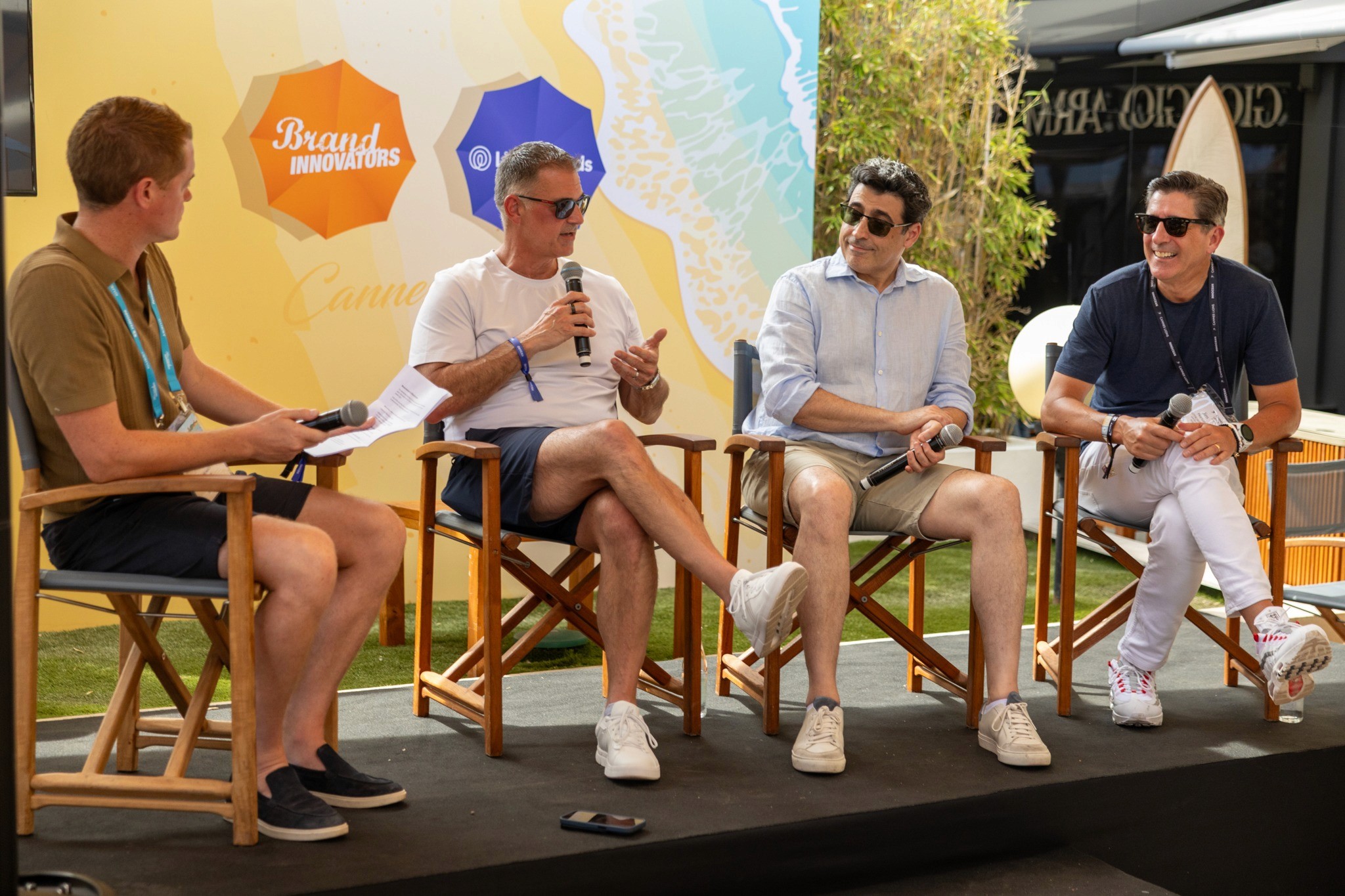
That idea became the thread running through billups' Out-of-Home (OOH) thought-leadership sessions at Cannes Lions 2026. Hosted on the Showcase Stage at Armani Caffè, the sessions brought together brand leaders, marketers, media owners, and technology partners to tackle one of the industry's biggest questions: where does media go next?
Across three conversations, the same themes kept resurfacing: attention, measurement and trust.
Attention: why data needs a human filter
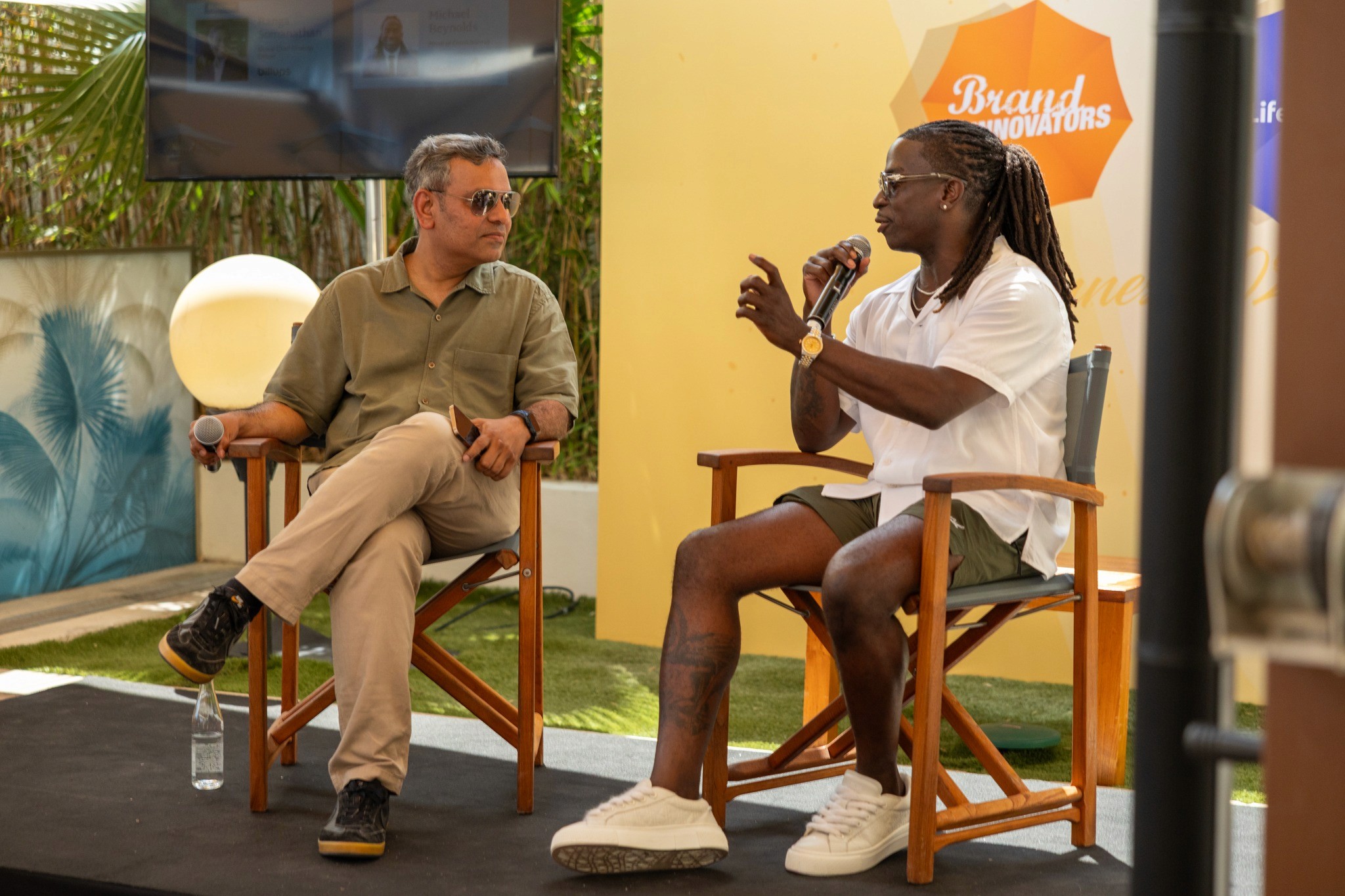
The first discussion, between billups Global Chief Strategy Officer Ranga Somanathan and Michael Reynolds, Head of Omnichannel, US Biopharmaceuticals at AstraZeneca, explored the convergence of creativity, data and brand building. Rather than treating technology as the starting point, the conversation repeatedly returned to people.
"Where data, media and creativity genuinely come together is when you start thinking about the human first," Ranga said. "When you think about data first, or tech first, or creativity first, and you don't put the human first, you lose the relevance of what is meaningful for the individual."
As marketers gain access to more signals, automation, and measurement than ever before, competitive advantage no longer comes from having more data. It comes from understanding what that data reveals about human behaviour, and using it to create experiences people actually notice.
That distinction became clearer when Ranga challenged one of advertising's most familiar metrics:
"Reach is how many people were around your communication. Attention is how many people were actually looking at you."
For CMOs, that changes the conversation. If attention has become a scarce resource, then every media investment must demonstrate not only that it reached an audience, but that it influenced one.
Measurement: accountability becomes the price of entry
If the first conversation explored what captures attention, the second asked how that attention can be measured and linked to business outcomes.
Joining billups Global CEO David Krupp were Tal Jacobson, CEO of Perion, and Jim Norton, Chief Revenue Officer at Outfront. Coming from independent media, ad-tech and media ownership respectively, each offered a different perspective, yet their conclusions were aligned: accountability has become the new currency of media.
"For the last hundred years, Out-of-Home has been viewed as an awareness medium," David said. "It still is, but with the measurement advances the industry and billups in particular have made, we're recognising it as a true mid-funnel channel that can drive engagement, sales, store visits, web traffic and app downloads."
That evolution is visible in the market. Some of today's most digital-native brands, including OpenAI, Canva, Spotify and HubSpot, are investing in OOH not because they lack digital reach, but because the medium signals something digital formats can't: scale, permanence and confidence. It tells audiences a brand is established, invested, and here to stay. That builds trust.
"We're now able to come back to CMOs and CFOs and articulate the actual ROI of the investment they're making," Krupp added. "In a world of dashboards and always-on analytics, Out-of-Home has to be seen at least at parity with every other media channel."
That evolution is visible in the market. Some of today's most digital-native brands, including OpenAI, Canva, Spotify and HubSpot, are investing in OOH not because they lack digital reach, but because the medium signals something digital formats can't: scale, permanence and confidence. It tells audiences a brand is established, invested, and here to stay. That builds trust.
"We're now able to come back to CMOs and CFOs and articulate the actual ROI of the investment they're making," David added. "In a world of dashboards and always-on analytics, Out-of-Home has to be seen at least at parity with every other media channel."
Trust: what AI frees people to do
The final discussion turned to AI not as a headline, but as an enabler.
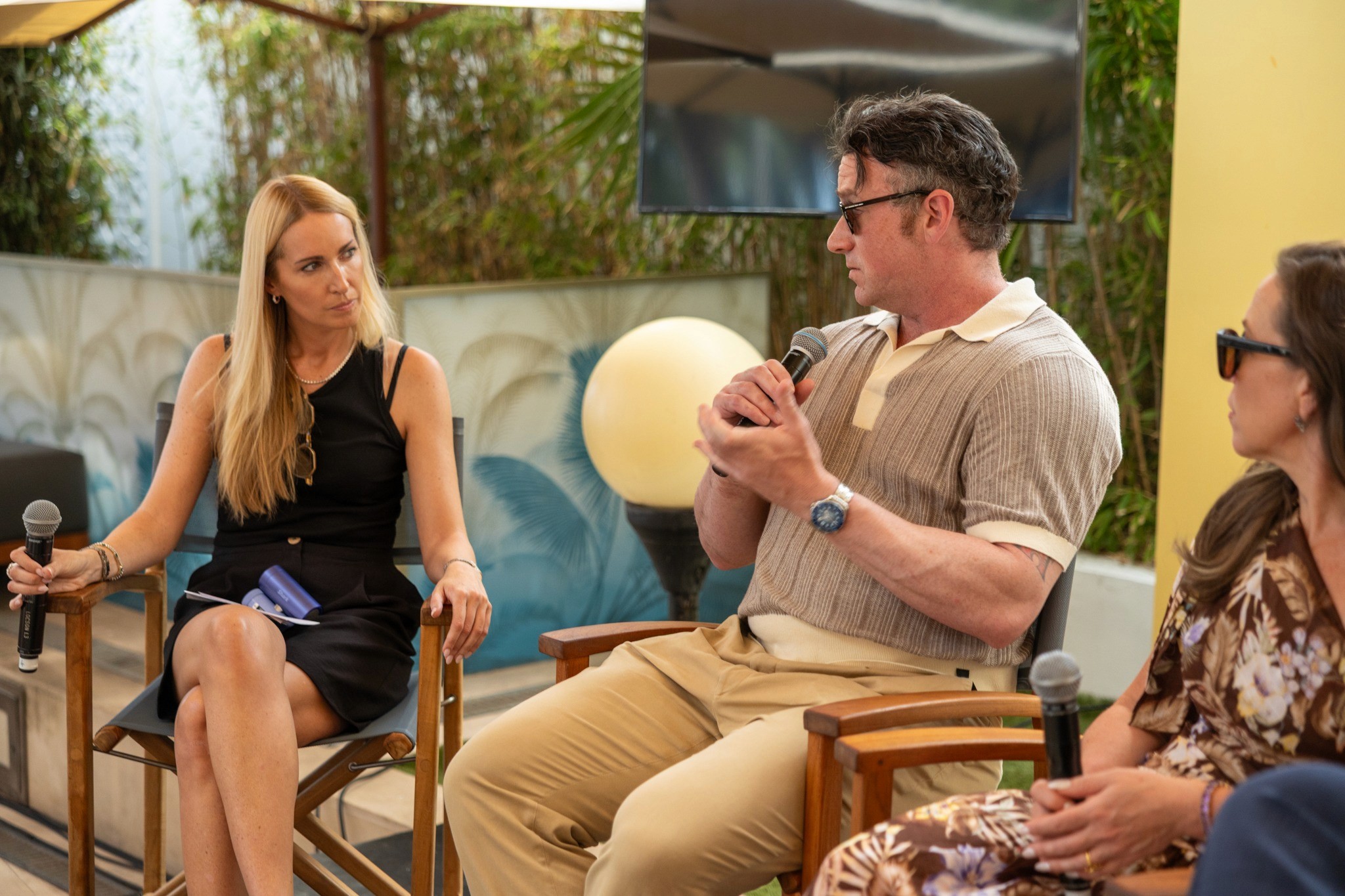
Joined by Patrick Callinan of T-Mobile Advertising Solutions and Sarah Larsen, CMO of Hisense USA, billups Chief Technology Officer Shawn Spooner explored how AI, mobility and measurement are creating a more connected media ecosystem, where physical and digital experiences reinforce one another.
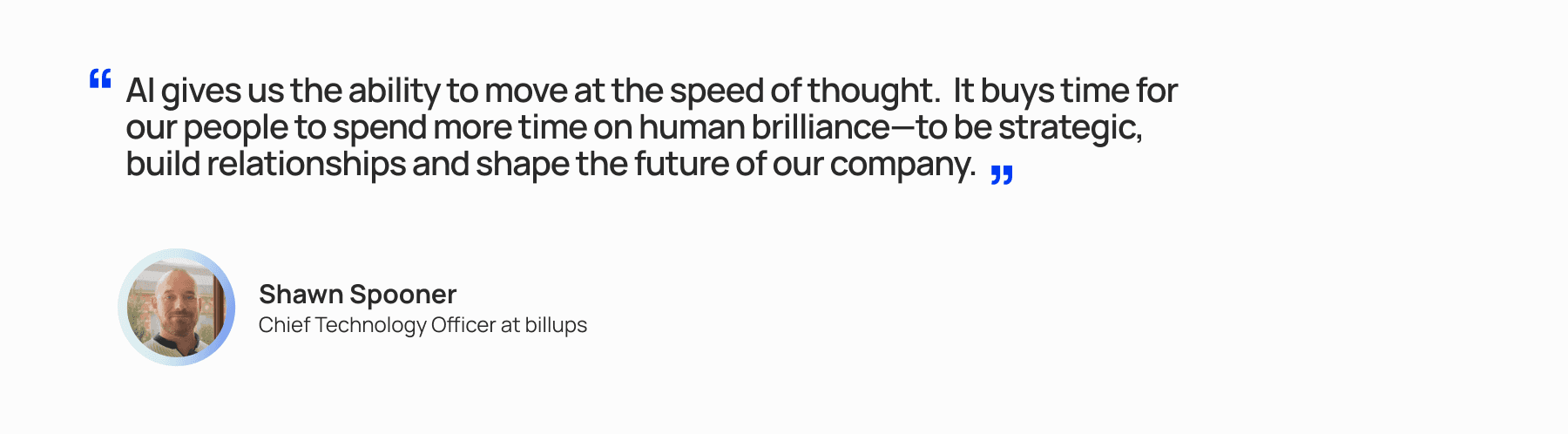
"AI gives us the ability to move at the speed of thought," Shawn said. "It buys time for our people to spend more time on human brilliance to be strategic, build relationships and shape the future of our company."
The discussion wasn't really about AI saving time. It was about what the industry chooses to do with the time AI creates. The same philosophy applies to measurement:
"Out-of-Home has become measurable like the rest of the media mix," Shawn said. "We can now understand how people move through the world, what they see, and what happens afterwards, from store visits to app downloads and broader business outcomes."
Key takeaways
Attention beats reach. Being seen is no longer enough. Media investment needs to prove influence, not just presence.
OOH has moved mid-funnel. Measurement advances mean the channel can now be tied to engagement, sales, store visits and app downloads, not just awareness.
Digital-native brands are validating the format. OpenAI, Canva, Spotify and HubSpot are using OOH specifically for the trust and permanence digital can't replicate.
AI is a time-buyer, not a replacement. Its value is freeing teams for strategy and relationship-building, not automating judgment away.
Physical and digital are converging, not competing. The industry's real shift is treating OOH as a strategic driver of outcomes, not a supporting channel.
The bigger picture
The boundaries between physical and digital are dissolving rather than competing. AI is accelerating planning and optimization, but not replacing strategic judgement. Measurement has become the price of entry for every channel. And as attention fragments across an increasingly crowded digital landscape, trusted experiences in the physical world may become even more valuable, not less.
Yet despite those advances, OOH still represents one of advertising's biggest opportunities, with investment yet to catch up to its expanding capabilities. The industry's challenge is no longer proving what OOH can do. It's making sure the wider media conversation reflects what the medium has already become.
The future of media won't be decided by choosing between digital and physical. It will belong to the brands that understand how to make both work together, and to an industry ready to rethink what OOH can contribute to that future.
Our news